
How to Build a Better Dungeon
 GAME UPDATE
We've already seen many creative maps made with the Dungeon Map Editor, but we've also noticed some common mistakes that can make a dungeon heavier, harder to navigate, or simply less fun to play.
So before you continue building your map, here are a few important guidelines to keep in mind.
Remember: a good dungeon isn't just a map that looks nice in the editor. It needs to remain clear, comfortable to explore, fast to understand, and fun to replay.
1.Don't Fill Invisible Spaces
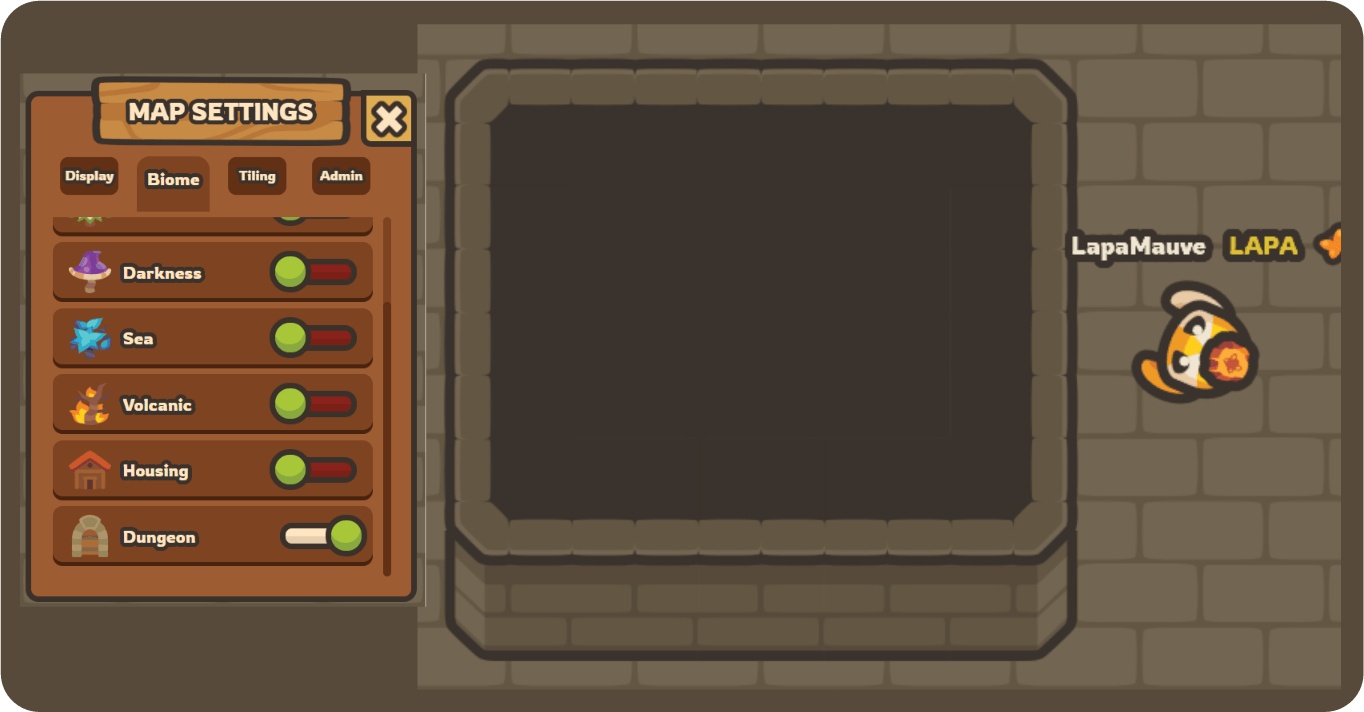
One of the most important things to avoid is placing unnecessary tiles inside large blocks of walls.
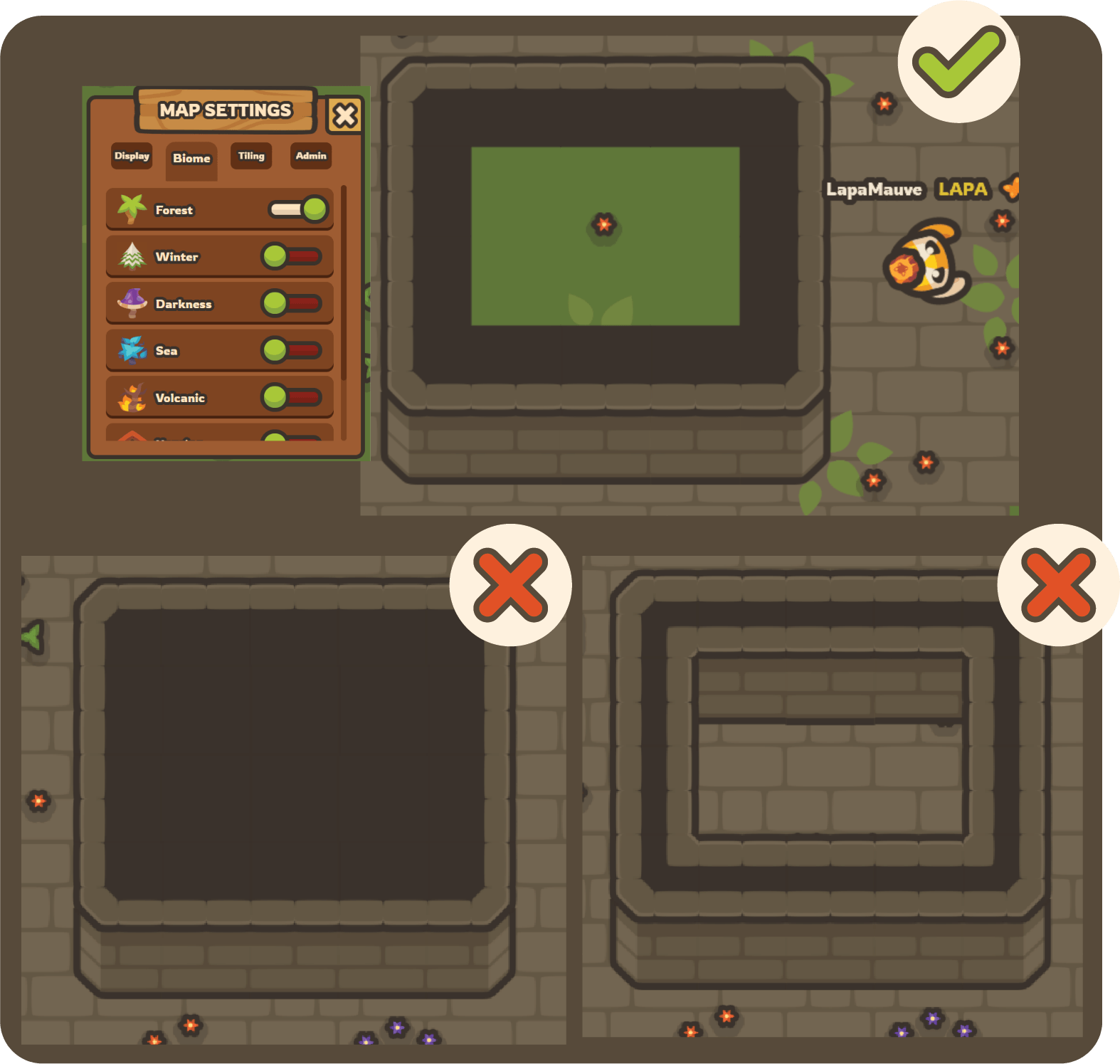 When creating a thick wall or a large solid structure, make sure that the tiles hidden in the center are actually removed.
There should also be no floor underneath areas that players will never be able to access.
Those invisible walls and floors don't improve the map visually, but they still make your dungeon unnecessarily heavier.
If the player will never see it or walk on it,
you probably don't need to place it.
2.More Details Doesn't Always Mean Better
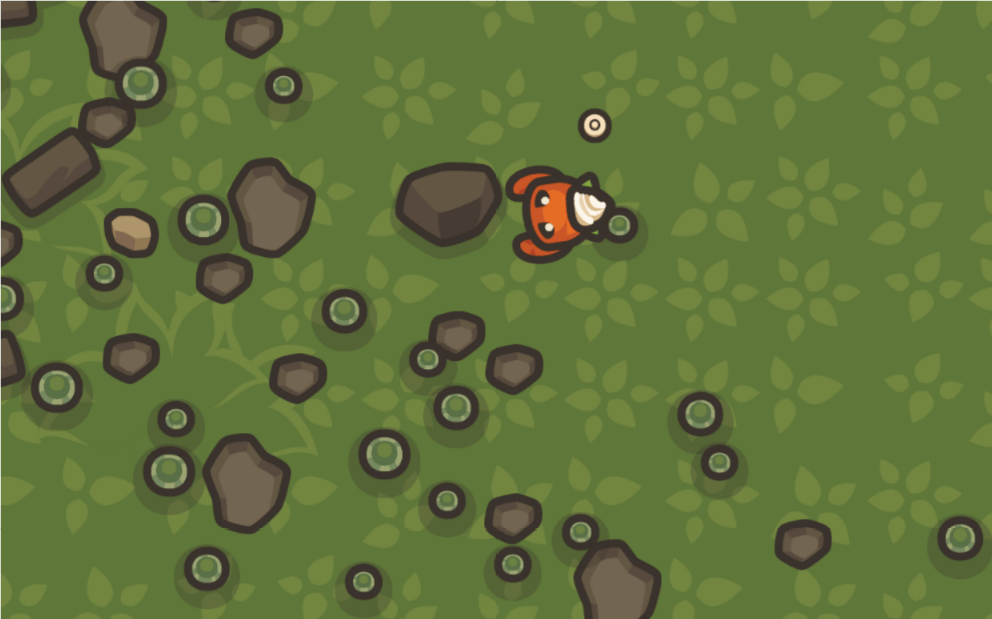
You don't need to fill every empty space with decorations.
A room can look beautiful with only a few carefully chosen objects.
In fact, using too many decorations can make an area harder to read and can hide the important elements of your dungeon.
Try to give every decoration a purpose.
A few strong visual elements are often much more effective than dozens of small objects placed everywhere.
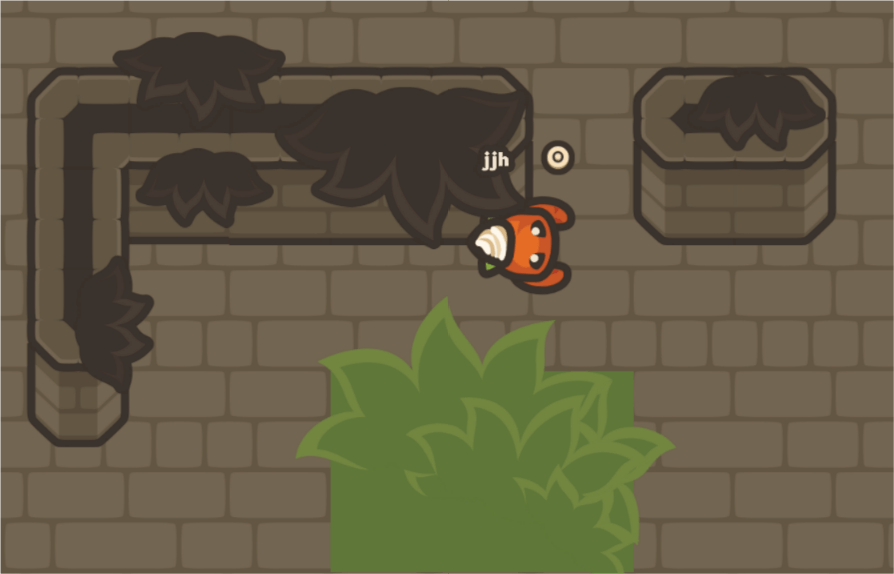
It's also important to place your decorations carefully.
Even good decorations can make a room look messy if they are randomly placed, poorly aligned, overlapping in strange ways, or positioned without considering the rest of the environment.
Take the time to check how objects are positioned relative to walls, floors, furniture and other decorations.
Everything should feel intentionally placed rather than simply dropped into the room.
A clean and coherent layout will often make your dungeon look much more polished than adding even more objects.
Good composition and careful placement are more important than object quantity.
3. - Give Players Space to Move
Keep your rooms and corridors open and breathable.
Avoid constantly placing rocks, furniture, pillars, decorations or other blocking objects in the middle of areas where players are expected to fight or move.
When testing your dungeon, don't imagine a single Tamer walking through it alone.
Imagine several Tamers moving through the room at the same time, each one accompanied by their pets.
Players need enough space to move around enemies, avoid attacks, reposition their pets and fight comfortably.
Design your rooms for a group, not for a single character.
4. - Create Places, Not Just Walls and Corridors
A dungeon should feel like a collection of recognizable places connected together, not just a maze made from walls.
Each important area should have its own identity.
Imagine two friends playing your dungeon:
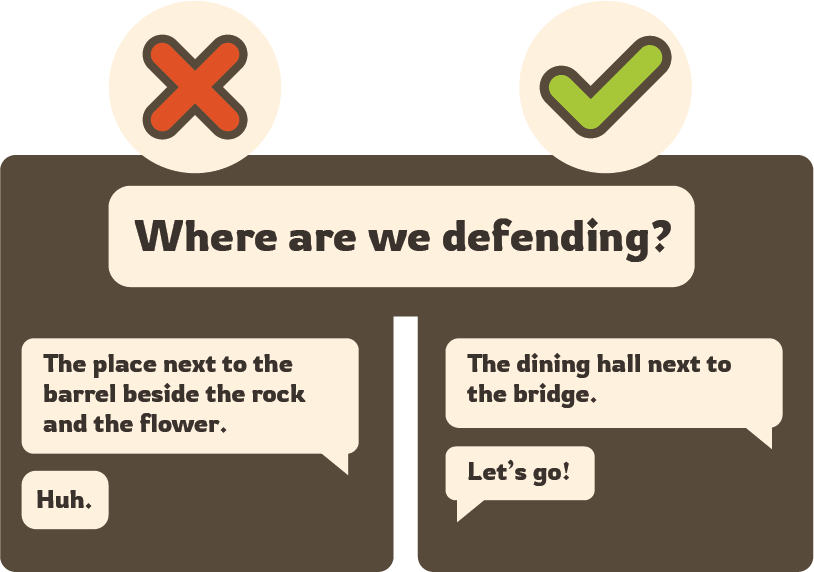
Your dungeon should contain places that players can immediately recognize and remember.
Different rooms can have different architecture, layouts, decorations, colors or purposes.
This also makes exploring the dungeon much more interesting.
5. - Keep Puzzles Simple
Puzzles can make a dungeon much more interesting, but they don't need to be extremely complicated.
Keep in mind that once players discover the solution, everyone will eventually know it.
At that point, an extremely long puzzle is no longer difficult.
It simply becomes something players are forced to repeat every time they play the dungeon.
And that's especially important because dungeons may be played several times in a row.
A puzzle that was interesting the first time can become very annoying if it takes several minutes to solve during every run.
Try to make puzzles:
- Quick to understand
- Quick to execute once the solution is known
- Easy to repeat
- Integrated naturally into the dungeon
You can create mechanics that require two players to open a door, for example.
But ideally, try to avoid making another player mandatory whenever possible.
An interesting alternative could be allowing the player to use one of their pets instead, potentially leaving that pet behind in order to continue deeper into the dungeon.
A good dungeon puzzle should slow players down for a moment, not stop the entire adventure.
6. - Make Your Tiles Feel Natural
Pay attention to how different tiles connect with each other.
Transitions between areas should feel organic rather than looking like completely different textures were placed next to each other without thought.
Use the tiling system to create variations and more natural transitions between tiles.
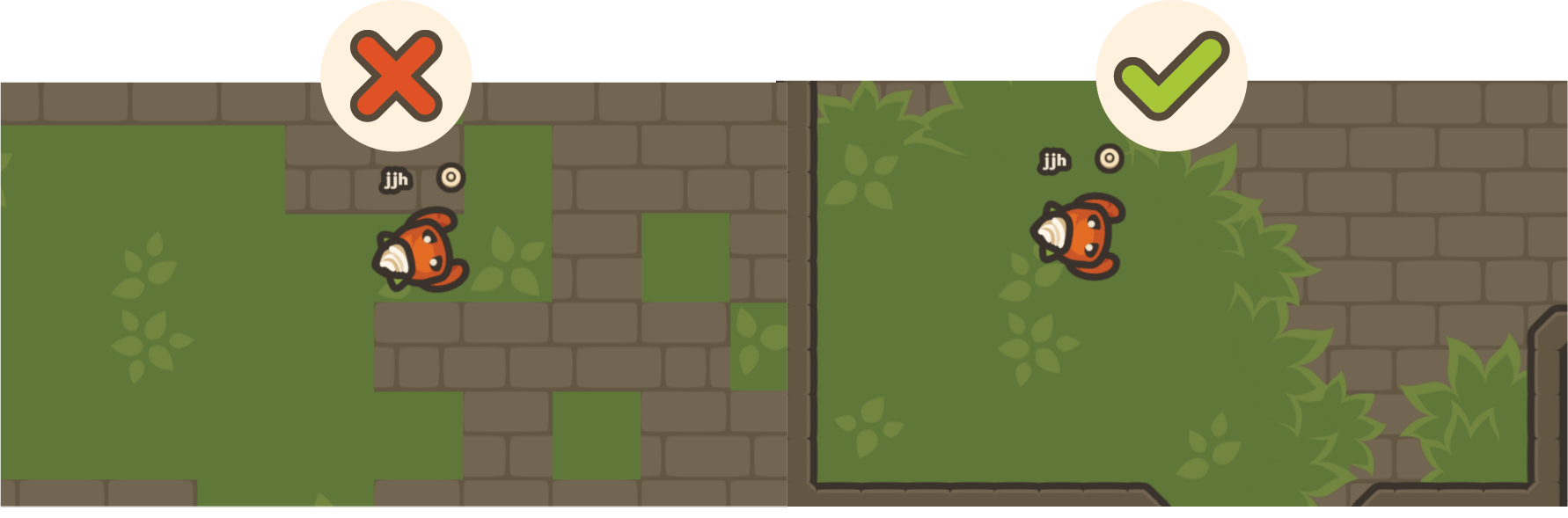
For example, if you're using green ground tiles, decorate them with grass and vegetation so that they actually feel like grassy terrain.
Try to make the environment tell the player what kind of place they're walking through.
7. - Remember the Size of the Enemies
Don't design your corridors based only on the size of your Tamer.
The dungeon enemies need space too.
Regular mobs will be Skeletons.
The BMB enemies will be approximately the size of a large Tamer, similar to the Boss Wolf.
And the dungeon Boss will be much larger, approximately the size of a Reaper summon.
This is another reason why your corridors, rooms and combat areas should remain reasonably wide.
Narrow passages may look fine while you're building alone in the editor, but once several players, pets and large enemies are inside them, movement can quickly become frustrating.
8. Build for Gameplay First
When creating your dungeon, always ask yourself:
“Will this still be fun when players run through it for the tenth time?”
A beautiful map is great.
A detailed map is great.
A clever puzzle is great.
But none of those things should come at the cost of comfortable movement, readability or replayability.
Keep your maps optimized. Give your rooms an identity. Leave enough space for players, pets and enemies. Keep puzzles quick and satisfying. And most importantly: build a dungeon that feels good to play.
 EVENT
EVENT